


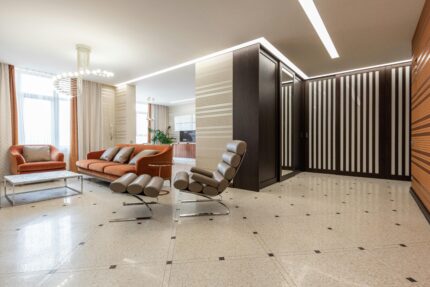
Stripes are one of the most timeless patterns in interior design. They’re versatile, stylish, and surprisingly easy to incorporate into nearly any space. Whether you’re aiming for a bold, modern look or a more subtle nod to tradition, stripes can add structure, dimension, and interest to a room without overwhelming it. The key is knowing how to use them tastefully and how to mix and layer them for a polished, designer-level finish.
Here are some tips for incorporating stripes into your home with sophistication and intention.
Start with One Statement Stripe
If you’re new to decorating with stripes, start with a single focal piece. This could be a striped rug in the living room, striped curtains in a bedroom, or a pair of striped armchairs. These anchor pieces offer visual interest without the commitment of covering an entire room in pattern. Let the stripe be the star by keeping other surrounding elements more neutral and textural. Think solid upholstery, soft throws, and warm wood tones.
Mix Stripe Sizes for a Layered Look
Mixing stripes might sound risky, but when done right, it adds depth and personality to a space. The trick? Vary the scale. For example, pair wide horizontal stripes on a wall or curtain panel with narrow pinstripes on a throw pillow or bench cushion, says a Reno, NV, interior decorator. This kind of contrast creates a collected, intentional look rather than one that feels too “matchy” or forced. As with layering any pattern, use a consistent color palette to tie everything together.
Ground a Room with a Striped Rug
If your furniture and accessories are mostly solid-colored, a striped rug can serve as a grounding element, adding both color and pattern. Choose a rug with bold, chunky stripes to make a modern statement, or opt for subtle, tone-on-tone stripes for a more traditional or coastal feel. Just be sure to match the scale of the stripes to the size of the room—larger rooms can handle thicker stripes, while smaller spaces benefit from finer lines.
Add Personality Through Striped Accents
If you’re not ready to commit to a larger striped piece, start with something smaller. Decorative pillows, ottomans, lampshades, or even picture frames with striped details are a great way to dip your toe into the trend. This is also where you can experiment with color. Go bold with a pop of mustard, navy, or forest green, or stick with classic black-and-white for something more graphic.
Choose the Right Orientation for the Space
Horizontal stripes tend to make a space feel wider, while vertical stripes draw the eye upward. Use this to your advantage based on what your room needs. Want your long hallway to feel less narrow? A runner with horizontal stripes will do the trick. Want to make your bedroom ceiling feel higher? Vertical striped wallpaper on the wall behind the bed can give that illusion.
Keep It Cohesive with Color
When layering multiple striped elements—like pillows, rugs, and upholstery—choose a cohesive color palette to keep the look unified. You don’t need every stripe to match exactly, but a shared tone or undertone will help the pieces complement each other without clashing. Neutral stripes can act as a backdrop for bolder colors, or you can go monochromatic for a more serene and tailored effect.
Decorating with stripes is all about balance. They bring a sense of structure and rhythm to a room, but they’re also playful and full of personality. Whether you use them boldly or sparingly, stripes can help you tell a visual story.
